House Box Template: 3D SVG Shapes for Branding
As a brand designer who has spent years refining visual identities for small businesses and digital entrepreneurs, I approach every new graphic design asset with a critical eye. It is not just about whether an image looks pretty; it is about whether it serves a strategic purpose in content marketing and professional branding. Recently, I integrated the House Box Template into a campaign for a lifestyle client launching a seasonal home goods collection. This review breaks down how this specific asset performs in real-world marketing scenarios, focusing on its utility for brand owners, social media managers, and product creators.
First Impressions: Mood and Audience Perception
The initial appeal of the House Box Template lies in its structural simplicity and versatility. Visually, it evokes feelings of stability, comfort, and organization. For brands in the real estate, home decor, or handmade craft sectors, this emotional tone is invaluable. It does not scream for attention with chaotic details; instead, it offers a clean, modern silhouette that supports visual hierarchy. When placed against a neutral background, it feels premium and curated. However, when paired with vibrant colors, it adapts easily to casual, playful branding. This duality makes it a strong candidate for diverse marketing visuals, from elegant wedding invitations to energetic social media posts.
Technical Versatility in the Design Workflow
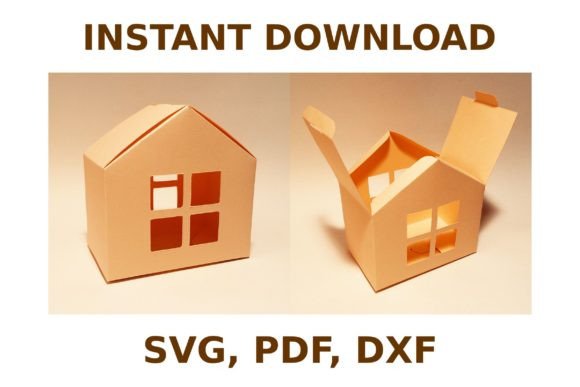
From a technical standpoint, the file structure is robust. The package includes SVG, DXF, and PDF files, which is essential for a seamless workflow across different platforms. As a designer, I primarily rely on the 3D SVG format for digital applications because it scales infinitely without losing quality. This is crucial for web design and high-resolution digital ads. For my clients who run physical product lines, the DXF compatibility with Silhouette and Cricut machines is a significant value add. It allows for the creation of physical packaging inserts, stickers, and merchandise without needing to redraw the asset.
The fact that measurements depend on paper size offers flexibility, but it also requires careful attention during the setup phase. All templates have been tested for quality, which saves time on troubleshooting cut lines or vector errors. This reliability is vital when working under tight deadlines for commercial design projects.
Strategic Applications in Brand Identity and Marketing
Integrating the House Box Template into a broader brand identity system requires intentionality. Here is how I utilized it across various touchpoints:
- Social Media Graphics: I used the shape as a frame for Instagram posts, placing product photography inside the "house" outline. This created a consistent look for the feed, enhancing audience trust through recognizable visual patterns.
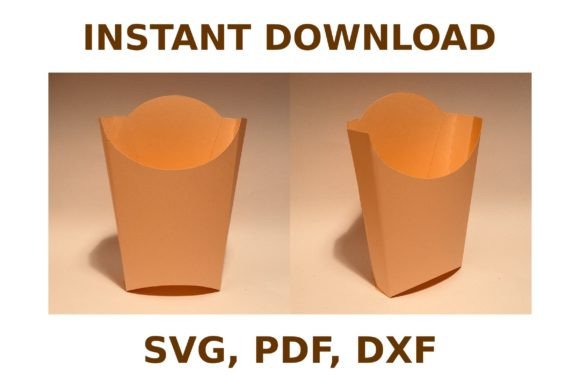
- Packaging Design: For the client’s product launch, we used the template to create custom box structures. The clean lines of the SVG design translated perfectly to cardboard cuts, elevating the unboxing experience.
- Printable Promotions: The PDF files were ideal for creating downloadable lead magnets, such as checklist organizers shaped like houses, which appealed to the target audience’s desire for home organization.
- Editorial Design: In blog graphics and email banners, the icon served as a bullet point or section divider, breaking up text-heavy layouts and improving readability.
This asset shines in small business branding where resources are limited. Instead of hiring a illustrator for custom icons, using a high-quality design bundle like this allows for rapid deployment of creative design elements that still feel bespoke when colored correctly.
Enhancing Visual Hierarchy and Engagement
A common mistake in content marketing is clutter. The House Box Template helps combat this by providing a clear focal point. In Facebook ads and Pinterest pins, the distinct shape draws the eye immediately. By placing key messaging or product images within or near this shape, you guide the viewer’s gaze naturally. This improves engagement rates because the brain processes simple geometric forms faster than complex illustrations. The result is a stronger first impression and more memorable campaign visuals.
Furthermore, using consistent Shapes across different platforms reinforces brand recognition. Whether a user sees the house icon on a website header, a product label, or an Instagram story, the repetition builds a subconscious connection to the brand. This is the essence of effective visual content creation.
Where to Use Caution: Limitations and Best Practices
While versatile, this asset is not a universal solution. I advise against using it in formal corporate branding where strict minimalism or abstract geometry is preferred. It may feel too literal or whimsical for financial or legal services. Additionally, avoid placing it on low-contrast backgrounds where the lines might disappear. In dense information layouts or text-heavy ads, the shape can compete with the main message if not sized appropriately.
For mobile-first designs, ensure the lines are thick enough to remain visible on small screens. Overly intricate details can get lost, so simplifying the color palette often helps maintain clarity. If your brand relies on an ultra-minimalist aesthetic, ensure the house shape aligns with your existing logo design language before committing to a full campaign.
Practical Designer Notes for Implementation
To get the most out of this digital product, follow these practical steps:
- Test with Brand Colors: Do not stick to default black. Apply your primary and secondary brand colors to see how the shape interacts with your palette. It often looks striking in monochrome or pastel tones.
- Font Pairing: Experiment with typography. The geometric nature of the house pairs well with clean sans-serif fonts for a modern look, or handwritten fonts for a cozy, artisanal vibe. Avoid overly decorative display fonts that might clash with the simplicity of the shape.
- Mockup Testing: Place the asset inside real campaign mockups before finalizing. Check how it looks on both light and dark modes.
- Licensing Check: Always confirm the commercial license terms. Ensure you are compliant when using the asset in paid campaigns, client work, or for selling physical products derived from the template.
- Competitor Analysis: Compare your usage against competitor visuals. If everyone in your niche uses similar house icons, consider rotating or modifying the color scheme to stand out in the creative marketplace.
Final Verdict: A Solid Asset for Creative Entrepreneurs
The House Box Template is more than just a clipart element; it is a functional tool for building cohesive marketing visuals. For online coaches, product creators, and designers, it offers a balance of aesthetic appeal and technical usability. Whether you are creating Canva templates for clients, designing product labels, or crafting editorial design pieces, this asset holds up under professional scrutiny. It supports the goal of creating modern design that feels intentional rather than generic. By understanding its strengths in packaging design and social media graphics, and respecting its limitations in formal contexts, you can leverage this design asset to elevate your brand’s visual communication effectively.